BBC Children in Need's appeal night is Friday 13 November 2026, live on BBC One and iPlayer. For most schools, offices and clubs, that Friday is the day: the dress-up day, the bake sale, the big finish. The fundraising that does best is usually planned a few weeks ahead, so everyone has time to get sponsored, bake or practise.
This guide sorts Children in Need fundraising ideas by how much work they take, then covers schools, workplaces, how to pay the money in, and the charity's own rules. Some of those rules catch people out, especially around the Pudsey logo and raffles.
What's on this year
Children in Need's main campaign for 2026 is Challenge Yourself, built around the number 26. You pick your own challenge, like walking 26 miles, baking 26 cakes or giving something up for 26 days, and get sponsored for it.
There are also a few ready-made challenges you can join:
- Run with Pudsey and Joe Wicks: two miles a day, walking, running or rolling, for the two weeks before the appeal.
- runPudsey 2026 for schools: pupils run, cycle, swim or do another activity, and every pupil who fundraises gets a medal. Schools register on the runPudsey site with their URN, and can sign up until 13 November.
- Other school challenges: a Strictly dance challenge and a Gladiators-themed challenge, both on the primary schools page.
The charity's free school fundraising pack, posters and bunting are on its website. Campaign names change every year, so check the BBC Children in Need site for what's current.
An evening's work
One or two volunteers, a few hours.
A dress-up or non-uniform day. Everyone pays a pound or two to come in yellow, in spots, in pyjamas or in their own clothes. It's the classic Children in Need fundraiser because it needs almost no organising and almost everyone joins in. It works the same way in an office as in a school.
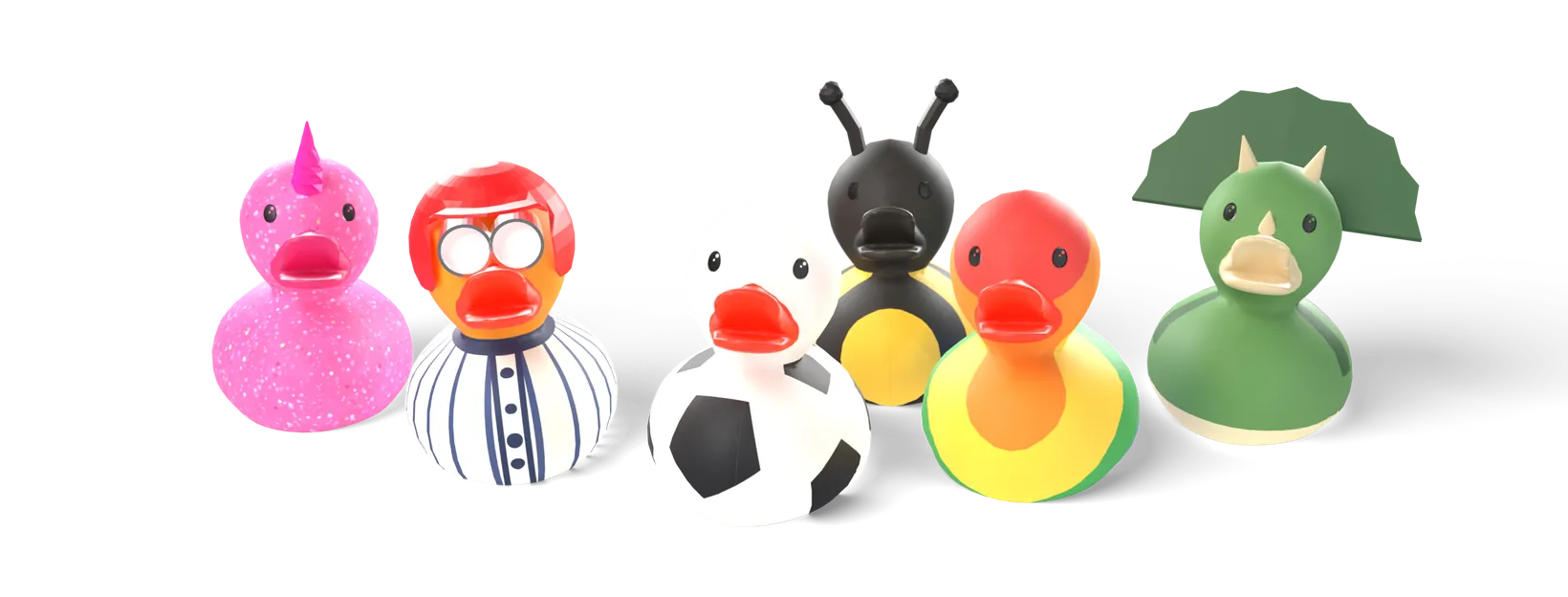
A duck race, class against class. Enter one duck for each class, house or team, let each one pick its duck's name and outfit, and ask families or colleagues to donate to cheer their side on. Run the race on the Friday, on the hall screen or on a video call, and people at home watch the same race from the same link. Nobody pays to enter, so it avoids most of the lottery questions a raffle brings. Adopt a duck or race for your class explains the format. Keep the ducks in your own colours and outfits rather than dressing them as Pudsey (see the rules below).
A sponsored silence or sponsored read. Children or colleagues get sponsored to stay quiet for an hour, or to read a number of books by the Friday. It needs a sponsorship form and very little else.
A JustGiving page for the whole group. Children in Need's own suggestion for collecting without handling cash. Set one up for your school, office or club, share the link, and the money is paid to the charity directly.
A weekend's work
A small team, planned over a couple of weeks.
A "26" challenge. This year's theme makes this an easy one to plan. A class walks 26 laps of the field, an office team cycles 26 miles on an exercise bike in reception, a club does 26 of anything on the Friday. Pick something people can see happening, and share progress as it goes.
A bake sale. At the school gate, in the office kitchen or in the foyer. Yellow icing and spotty cakes fit the day. Label what's in everything.
A quiz. In the hall, in a pub with the landlord's agreement, or on a video call for teams who work from home. Charge per team, and add a children's TV round for the nostalgia.
A talent show or "teachers vs pupils" match. Charge a small entry to watch. In an office, a staff band or a bake-off judged by the managing director does the same job.
A sponsored walk or run. Pick a local route, or join Run with Pudsey and Joe Wicks and do your miles together. Check the route, and get written consent from parents for under-16s.
For schools
Use the Friday. Children are already excited about the appeal night. A non-uniform day, a class duck race in the afternoon assembly and a bake sale at home time fit in one day without asking families to come in again.
Make it a competition between classes or houses. Children ask at home, and families give to back their own class. A trophy, an extra playtime or a class prize is enough. The prize should go to the winning class, not to whoever gave the most.
Make it easy for every family. Suggest an amount rather than setting one, and make clear that taking part matters more than the money. Children in Need's merchandise is optional: a yellow T-shirt from home works just as well.
Keep cash handling simple. Count the money with two adults, and remember that under-16s can't count the money for the final total. A JustGiving page or a parent payment app means far less cash to count.
If you're planning the rest of the year too, school fundraising ideas sorts ideas by term.
For workplaces
Ask the company to match. Many employers match what staff raise, up to a limit. Ask HR or the finance team before you launch, so you can say "every pound is doubled" from the start.
Include people who work from home. A quiz or a race on a video call, a shared donation page and a photo channel for dress-up day let remote staff take part on the same day as the office.
Check before you sell anything. If your business sells goods or runs a promotion saying part of the money goes to Children in Need, the charity says company law requires a written agreement with them first. Staff fundraising, like a bake sale or a sponsored challenge, doesn't need one.
Easy fundraising ideas for charity has more that work in an office, and how to raise funds for charity covers the steps from target to thank-you.
Paying the money in
The ways to pay page has the current options. The main ones are:
- Online: pay in with a card through the charity's paying-in form. Schools pick their phase (early years, primary or secondary).
- JustGiving or a parent payment app: money collected this way goes to the charity directly, so there's nothing to pay in.
- At the Post Office: pay in cash, card or cheque at the counter, and ask to pay it to BBC Children in Need.
- Bank transfer: schools can pay straight into the charity's schools account. Take the account details from the charity's own page, not from a newsletter or email, as fundraising money is a target for fraud.
- By post: cheques made out to "BBC Children in Need", with your school's name and URN. Never send cash in the post.
If you ran a duck race on Pledglings, the donations go into your school's or group's own account, not to us. Pay the total over to Children in Need afterwards in one of the ways above, and tell supporters on your race page that that's what will happen.
Gift Aid
Children in Need can claim Gift Aid on donations from UK taxpayers, which adds 25p to every £1. It needs each donor's name, home address and a Gift Aid tick, so it has to be collected at the time they give: on a sponsorship form, a JustGiving page or a parent payment app that asks for it.
Money you collect yourself and pay in as one total, like a bucket of coins or a bake sale, can't have Gift Aid added afterwards. Neither can payments where people get something back, like a cake or a ticket. If Gift Aid matters to you, point donors to a page that collects it.
Children in Need's own rules
These come from the charity's own guidance. They're worth reading before you make any posters.
Pudsey and the logo. Pudsey and the Children in Need logo are BBC trademarks. To use them on your own posters, products or online, you need a licence agreement from the charity, and anything you make has to say the fundraising is by you, not by or endorsed by the charity or the BBC. The free posters and resources in the charity's fundraising pack are the easy way round this. The same goes for dressing up a mascot, a cake or a duck as Pudsey for anything you share or sell.
Raffles are lotteries. The charity's FAQ is clear that a raffle counts as a lottery under the Gambling Act 2005. Raffles held at an event, with tickets sold only on the day, are normally fine without a licence in Great Britain. Tickets sold in advance or online usually need a registration with your council. The charity can't provide prizes or authorise raffles for you. The note on raffles in our school guide has more, and the Gambling Commission can tell you what applies.
No street or door-to-door collections. Collecting in the street, door to door or in other public places needs a licence, and the charity doesn't encourage it or supply tins and buckets. Collect at your own event instead, or at a private venue with the owner's permission, like a shop or a pub.
Under-16s. Children can fundraise at any age, but they need written consent from a parent or guardian. Under-16s can't use collection boxes, can't sell licensed lottery tickets and can't count the money for the final total.
Safety. For anything sporty or physical, the charity points to the Fundraising Regulator's guidance and the NSPCC's advice on fundraising with children.
This is a summary of the charity's guidance, not legal advice. The rules on lotteries and collections are different in Northern Ireland, so check locally if you're there.
Making it work in November
Give a date. "Donate by Friday" works better than "please donate". The appeal night gives you a deadline for free.
Share the total on the night. People love seeing their school or office total go up while the show is on. A quick post or newsletter with the final number, and a thank-you, gets people giving again next year.
Say what the money does. Children in Need publishes examples of what different amounts pay for. Use one on your poster, so people can picture where their pound goes.
Ready to try a class duck race?
It's one of the quickest ideas on this list to set up, and it works for families at home as well as in the hall. You can try a free online duck race right now. For ideas at other times of year, see easy fundraising ideas for charity and Christmas fundraising ideas.